
DS Lab Company analyzes overseas shipbuilding and maritime cyber incident cases;
cybersecurity vigilance urged for shipyards, ship owners, and marine equipment companies
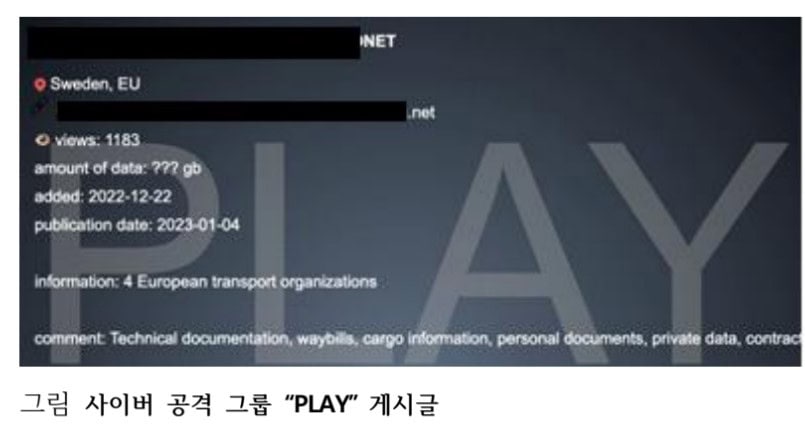
A series of cyberattacks targeting overseas shipbuilding and maritime companies has raised urgent calls for heightened vigilance across the industry. According to DS Lab Company, a ship cybersecurity startup, ports, shipyards, and marine equipment companies in Europe — including Norway and Denmark — have fallen victim to cyberattacks. In particular, concerns were raised that a ship management software hacking incident could affect approximately 1,000 vessels using the compromised software.
DS Lab Company, in collaboration with Korea University’s Graduate School of Information Security, developed a cyber threat intelligence service specialized for the shipbuilding and maritime industry through the ‘Cyber Turtle Ship Project.’ The company has filed patents for navigation communication equipment intrusion detection technology and ship cybersecurity situational awareness technology essential for autonomous vessels and smart ships, and has gained recognition for its expertise by publishing related research findings in international journals and conferences.
The company is also collaborating with security firms including NSHC, PIOLINK, and SECUI, and is pursuing joint commercialization with shipbuilding and maritime companies such as Daewoo Shipbuilding & Marine Engineering and Iljin & D. This year, the company plans to enter the global market through partnerships with overseas companies.
DS Lab Company CEO Yonghyun Cho, a former investigator with the Army Cyber Crime Investigation Unit who currently serves as an advisor to the Korea Coast Guard, emphasized, “As maritime mobility advances, the importance of cybersecurity technology to protect both commercial vessels and naval ships is growing.” He added, “Recently, cases of drug smuggling and terrorism exploiting unmanned maritime vehicles have also emerged, underscoring the need for multifaceted attention to strengthening maritime cyber security.”
Source: DailySecu (https://www.dailysecu.com)